






Morsie

Forum Replies Created
-
AuthorPosts
-
Morsie
Member[glow=yellow,2,300]But no, Sage, and its dealers, WANTS consumers to readily pay $700 – $1000 for rods. On a $700 rod the shop is going to make $350 versus $200 on a $400 rod.[/glow]
Steve Its $500 US and is someone holding a gun to your head forcing you to buy one. No doubt they (Sage) will spend a large amount of that (before they’ve sold a single rod) on advertising, the stuff that keeps the magazines, going so it goes back into the industry. Its a small tight industry and no one is getting rich from it – no one. I suggest you visit the annual Fly Tackle Dealers show in Denver and you will find out just how small this industry really is. Most people who work in fly fishing do it because they love it. Maybe you’re new to this sport or something but this argument goes round and round for year after year.
The cost of R&D is spread over a lot of generations of rods. Zach is right, they have looked to recapture the feel of the XP using the latest technology, that’s Generation 5 stuff.
Morsie
MemberI like very much that the TXL’s are now also 4 piece, travelling with them in the past was an issue. The grip looks super too.
Morsie
MemberWhat body are you using it on?
Morsie
MemberVery impressive, thanks Steve.
Morsie
MemberSteve how wide is that lens? Water clarity aside those are very good images, I’m surprised at the width you’re getting there.
Morsie
MemberJohn, Sage rod lines generally run for 5-6 years. In that time they develop new technologies which are introduced into the range through the subsequent generations. Changes are made when sales drop-off, usually at around the 5-6 year mark – that to me is just good business practise. Don’t you think it would be even crazier to continue producing a rod line where the sales had dropped right off – ie most people who are going to buy one have one (or two or three) ;).
I stand to be corrected but I think you’ll find that not only is Don Green, (the founder of Sage), considered to be the ‘father’ of the modern graphite fly rod, but he is also considered to be the ‘father’ of the modern tubular fiberglass rod. There’s some pretty serious fly fishing history right there.
Morsie
MemberGuys, this is not a thread jacking – the point was made early on that Scott were the only company to still manufacture all their rods entirely in the US – this is just not true. Sometimes if you ignore a falsehood long enough and enough people repeat it often enough it becomes “the truth”.
KB, This kind of innuendo has been around for a few years. I have visited the Sage factory on Bainbridge Island and have seen the rods being made. I’m not so vain to think that they would crank up a production run of FLi rods just to fool a visiting journalist.
If you think the rods are being made in Asia and are then having a “Made in the USA” label put on them, you have a pretty good case for a substantial law suit – go for it…..MemberYep, That it is.
Morsie
MemberJeez, I was glad there was sign on the side of the boat to tell us what we’d caught.
MemberThe coffee’s always on…….
MemberI got the upgrade yesterday Dave, still working on the changes but it is very smooth. I know that sounds more like a description you would use for an ice cream or a good casting stroke but its what has struck me about it. I really need to spend some time on improving my filing system with it……….. I think there are ‘flexible coupling issues’ involved in that one.
Morsie
MemberOK To keep the ball rolling I’ll scratch up a few more.





Morsie
MemberZach I was told a story about a guy who gave a talk to a fishing club here in Australia who told his audience with some conviction that Orvis were the only rods made entirely within the US, and the audience believed him. The people who told me the story were in the audience. Clearly if there’s going to be some kind of merit attached to being the last of the rod manufacturers who haven’t sold out to the bottom line by moving their manufacturing base offshore from the US this position is considered of some value. Consequently it should be accurately reported and if someone doesn’t correct it it becomes accepted, especially when its said by someone such as yourself.
Jay, If you liked the LL’s try the ZXL’s or get your hands on an SLT.
Morsie
MemberAll of Sage’s rods are manufactured entirely on Bainbridge Island Zach, from the bottom to the top. You should go and visit them some time and see for yourself. 😉
That Redington and Rio come under the Far Bank umbrella doesn’t mean things have changed at Sage.
Morsie
Member“They’re the last all-American rod company now and are worth a look for sure.”
Unless something has changed recently that I haven’t heard about all Sage rods are made in the US Zach……..
Morsie
MemberTim, That’s great mate, congratulations!
Morsie
MemberIn an idle Saturday morning moment I’ll put a few more up.






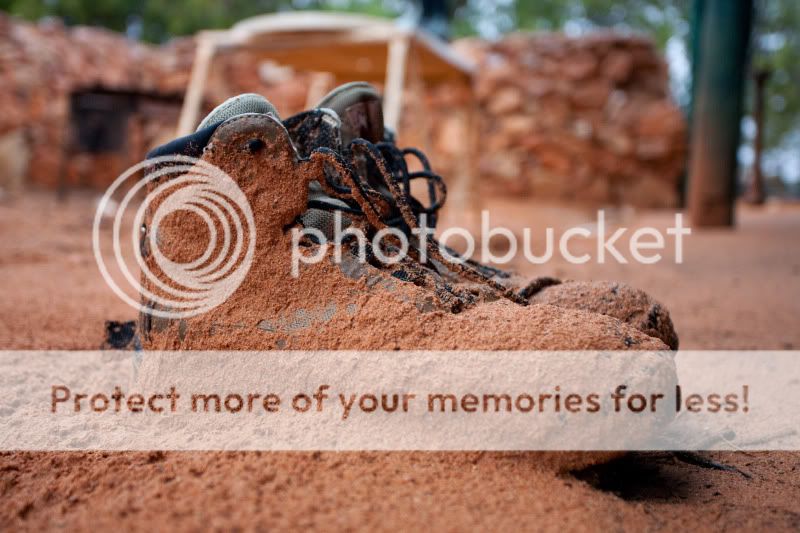
MorsieMemberOn the rocks on the desert coast of Western Australia. They’d had no rain for 10 months until we arrived. Boots were left out overnight.
Here.

Morsie
MemberRio’s LT is my favourite line for most of my trouting these days. I haven’t used on that rod but i haven’t found a rod I don’t like it on either.
Morsie
MemberIts interesting, I posed this question on a couple of other chat sites and books printed on paper were overwhelmingly favoured. Like Allyn’s comment technical printed matter was more than acceptable on ‘tablets’ as were novels, but not it seems things like fly fishing books.
I ask the question because I have new book coming out later this year and have the option of having it prepped up as an e-book so all responses are very interesting. It is potentially a very exciting medium, especially if you include video of tying sequences in place of a series of still images. I have never seen an e-book let alone set out to read one. Seems there’s an awful lot of talk about it but not a lot happening (at this stage anyway).
Morsie
-
AuthorPosts