






Morsie

Forum Replies Created
-
AuthorPosts
-
Morsie
MemberEasy – Get one book and read it 5 times.
The Longest Silence – Thomas McGuane.
Then read.
Tarpon Quest – John Cole.Fishing Comes First – John Cole.
Trout at Ten Thousand Feet – John Bailey
Frog Call – Greg French
These books won’t instruct you too much, that’s best as a “learned” thing, but they’ll entertain, inspire, and entrance you.
Morsie
MemberIt constantly reinforces the notion that fishing is not about just the fishing.
Morsie
MemberHave you used Capture One?
Morsie
MemberCourty you must spend some time cruising the web mate………. nice to have another Aussie back-up.
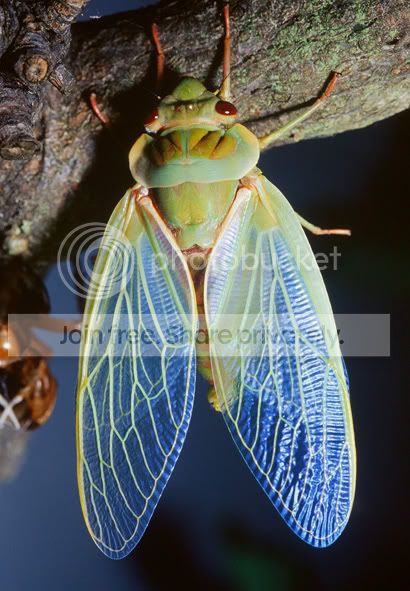
Cicada – about as large as your thumb. We call this one a “greengrocer”. Bass love ’em.
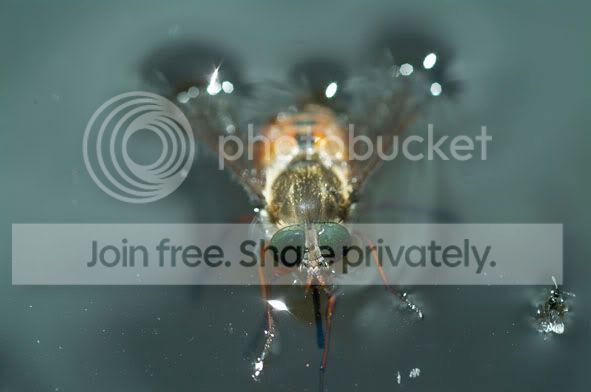
Horse fly or March fly – very important terrestrial in the Snowy Mountains, biting blood sucking bastards, but trout love ’em!
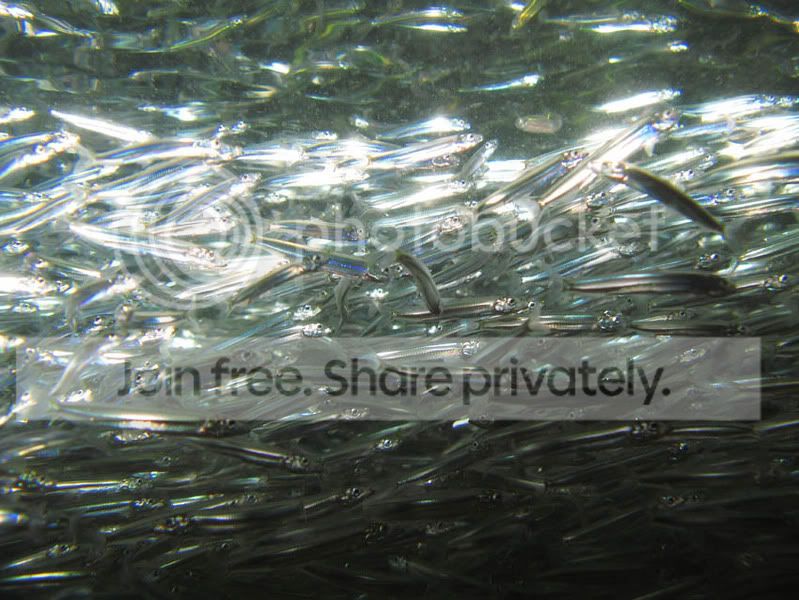
A bait ball of West Australian sprats.
 Member
Hey Steve,
MemberSimon I would also love to take them down the Big T – but in particular would like to fish the delta region out of them.
Morsie
MemberHi Simon – enjoy the rugby? ;D ;D ;D ;D ;D ;D ;D ;D ;D ;D 😮 :'(
Zach – yep we have snakes, I believe the first thirteen deadliest snake species in the world are on this continent. ::) makes for interesting times on the rivers, especially when you’re sneaking along trying to be all quiet.
Simon on the Waiau. We had an amazing couple of days drifting this big tailwater river.
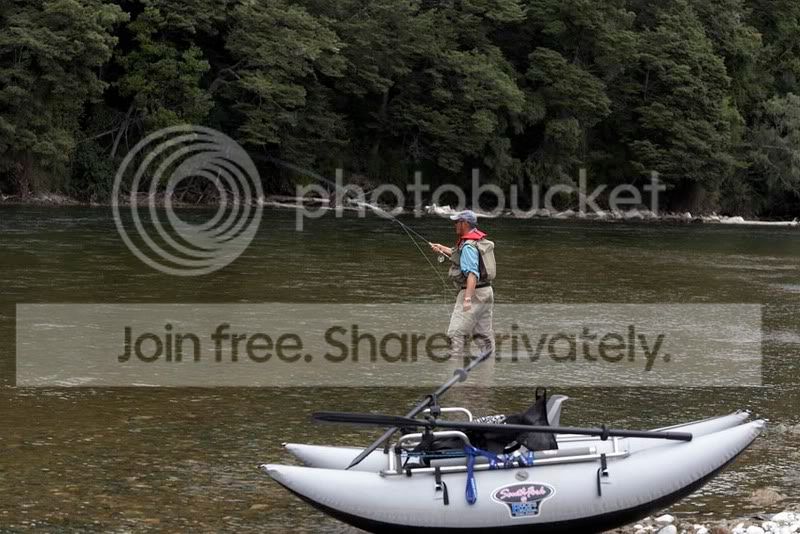
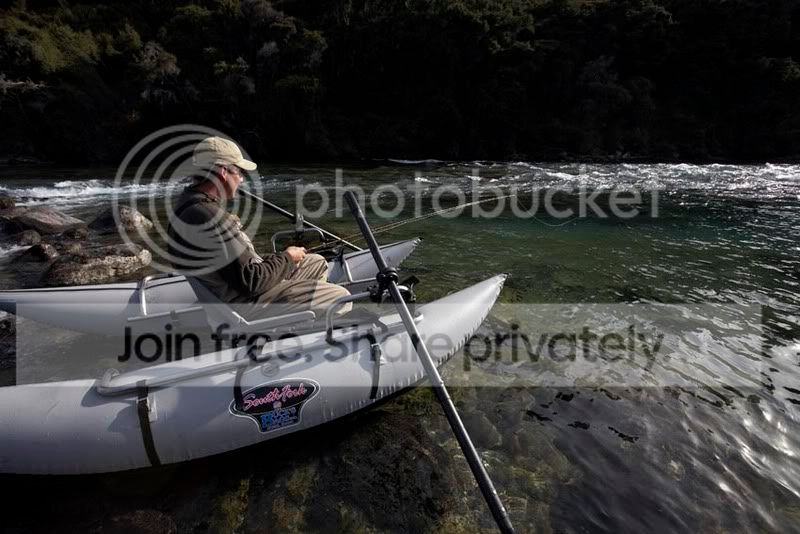
Carl Mcneil on the Clutha in his pontoon, my floatboat in the foreground. I used the boat to duck into back eddies behind mid stream boulders and had some incredible fishing using tungsten nymphs and streamers on T8 shooting heads.
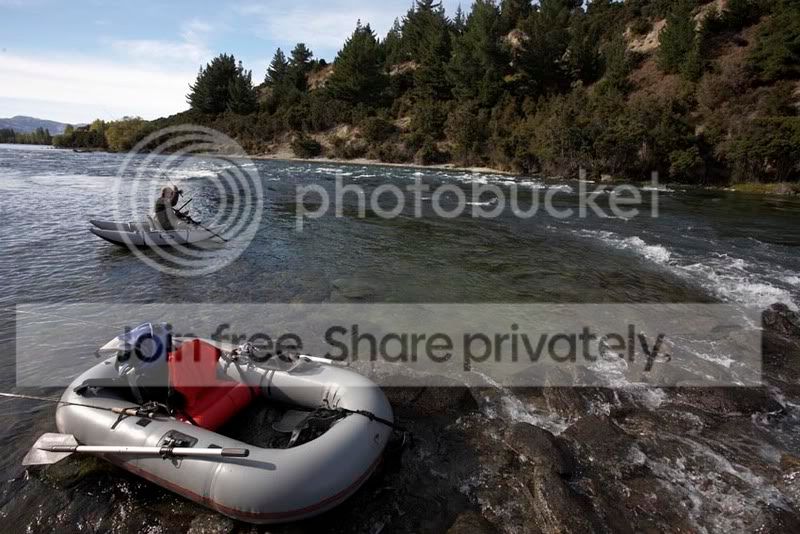
Simon on the Waiau.

Clutha brownie.
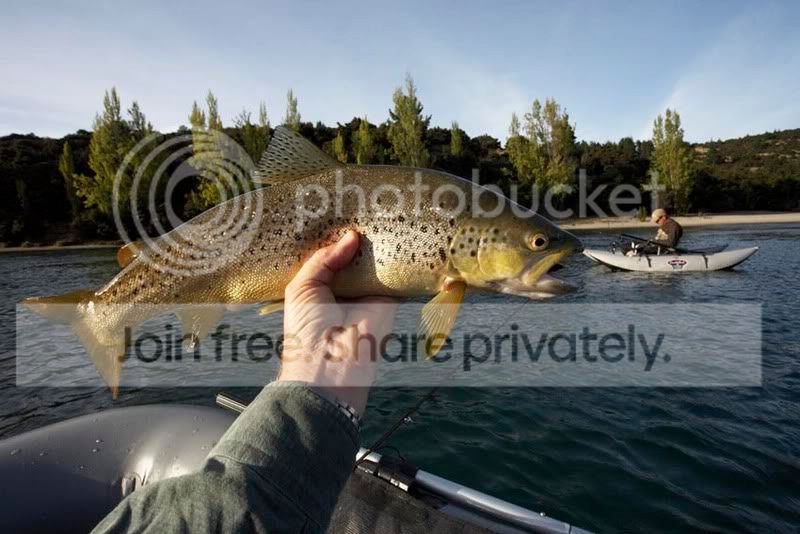
Clutha ‘bow
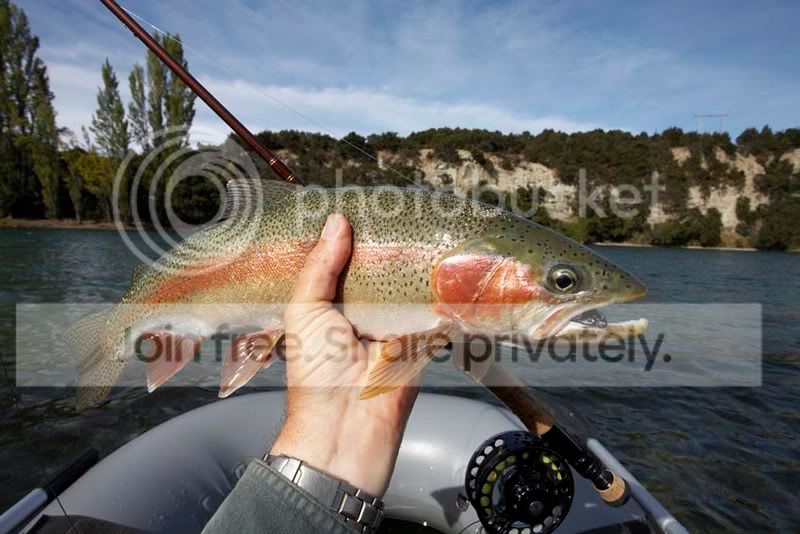
Waiau ‘bow.
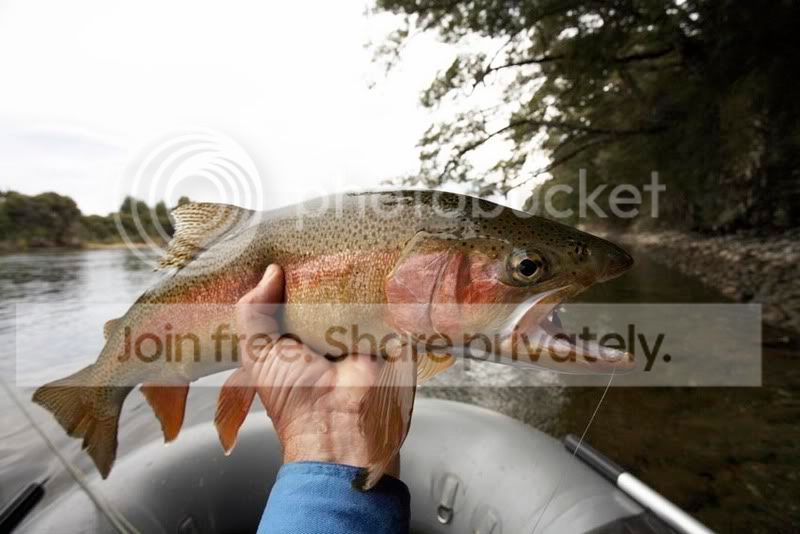
Carl Mcneil fishing a seam on the Clutha. This has to be potentially the greats drift fishery on the planet yet you’ll rarely see another angler outside a few popular areas on dark. The head of fish in this river has to be seen to be believed. I truly couldn’t care less for some of the back country fishing when rivers such as this flow through towns, are teeming with untouched ‘bows and browns all from 2-4 lbs. Simon alluded to this kind of fishing in his podcast.
 Member
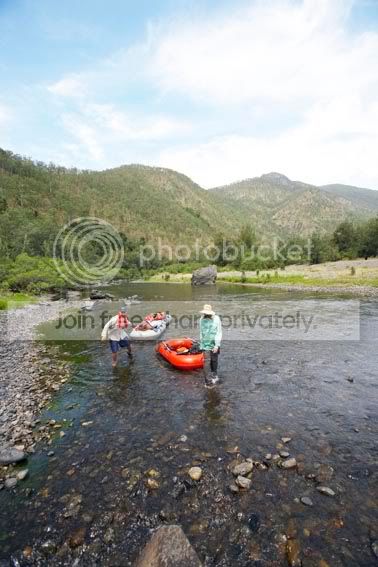
Zach in my opinion they have many advantages over a pontoon boat – not sure that Abel still have them but Dave Inks (google Waterstrider for all the weight details etc) is the man who developed them and also sells them in the US. These roll up into a backpack so you can travel with them and store them at home easily. There’s no metal frame. You’re lower to the water so wind is not such an issue and you have far better fin control because you have more of your legs in the water. They’re rated to grade 3 rapids. They are fantastically stable, carry 300lbs, have 3 air chambers and take 8 minutes to inflate with a foot pump – about 2 minutes with an air mattress pump.
Dave hiking into a back country lake.
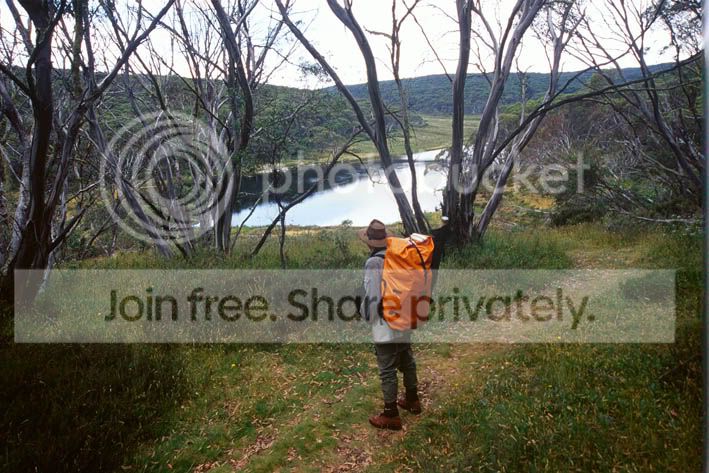
Tasmanian back country lake – I fished to a 15 lb brownie that was in a hole in the middle of this lake that no one had ever boated before. It was big black nocturnal galaxid eater that followed my fly literally to the rod tip.

Back to the trip – 4 days of this and not one puncture – they are tough boats.
 Member
The favoured wing material for cicadas is found in flower shops – Its the shimmery ribon material they use to wrap up bunches of presentation flowers.
Morsie
MemberThese guys didn’t mind the hot weather. This is a BIG goanna or monitor lizard – its around 6 feet long and we didn’t get too close it because the last thing you want is one of these things climbing into an inflatable boat!

This was a situation I might never see again in a lifetime. The bass hooked up here was cruising the shallow “flats” in the forground. I was so amazed to see it I didn’t even lift the camera to record the hookup that happened right in front of me. The fish charged a dahlberg from 10 feet away and promptly headed for cover on the far side. One of those situations you replay in you mind for years – and kick yourself.

This was the fish.
 Member
But cicadas are top of the food pile for topwater fishing. In a good summer the decibel level of the sound these things make can drive you almost insane, its almost industrial.

Dahlbergs remain the fly of choice most of the time.

But mini gurglers work well too.

As do Chernobyl ant variations.
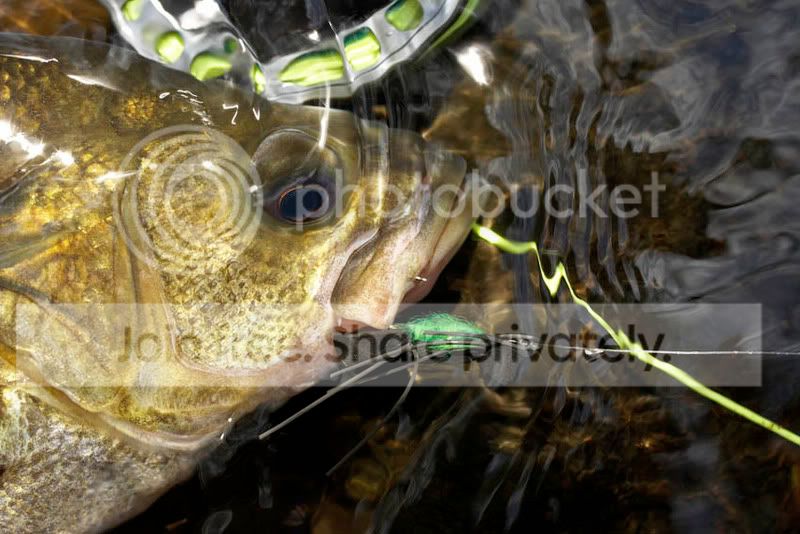 Member
Bass food in its various forms.


 Member
This a great subject and one that I have raised on a few photographic and fly fishing web sites. I have been through lots of bags in an effort to find something just right.
Firstly if you seriously want to get pics you just have to carry good gear with you and to have it accessible.
MemberI reckon, They’d all be Mum’s Simon, that’s why they’re so nice and cuddly, like a MILF :-* :-* :-* 😎
MemberThis footage sent shivers right up and down my spine. This will not end well either.
http://www.youtube.com/watch?v=rTOa9dUCkyQ
Morsie
MemberThanks Carter – bit of a sizing issue with one of those images, can’t seem to get around it without creating massive files and it won’t re-size.
Christmas island is also famous for its sea bird life – they’re all pretty tame, hard to tear yourself away from the fishing sometimes. These two should have been shoy as verticals but at the time I had my other eye on some bones about 50 feet away…
This is a frigate bird chick.
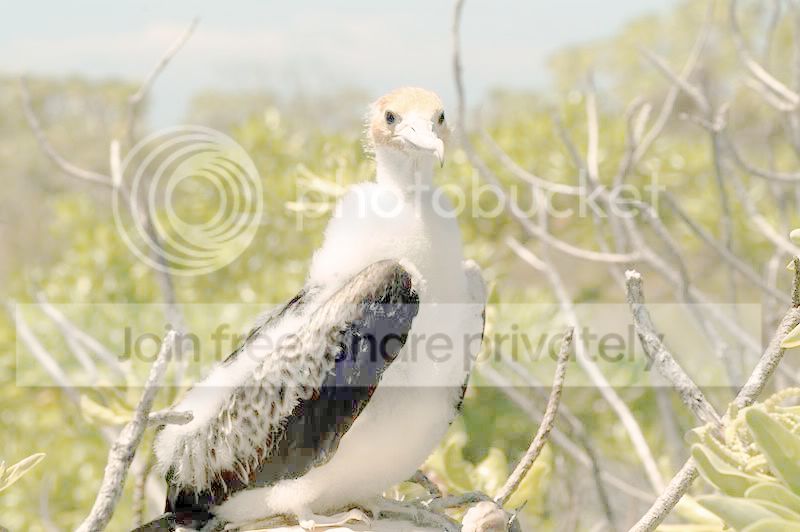
And an adult booby on the nest.
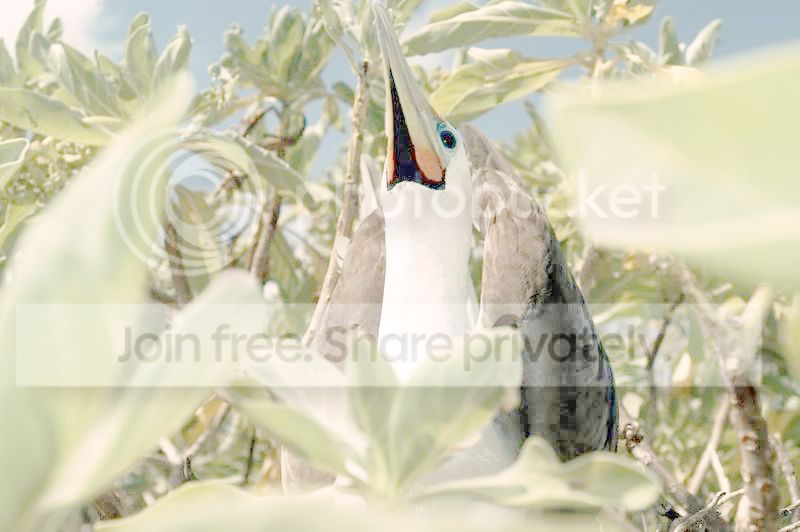
Boney close-up. A six weight was my preferred rod most of the time.

I call these next two shots “Morning prayers”. Was trying to catch the brief great morning light you get in the tropics.
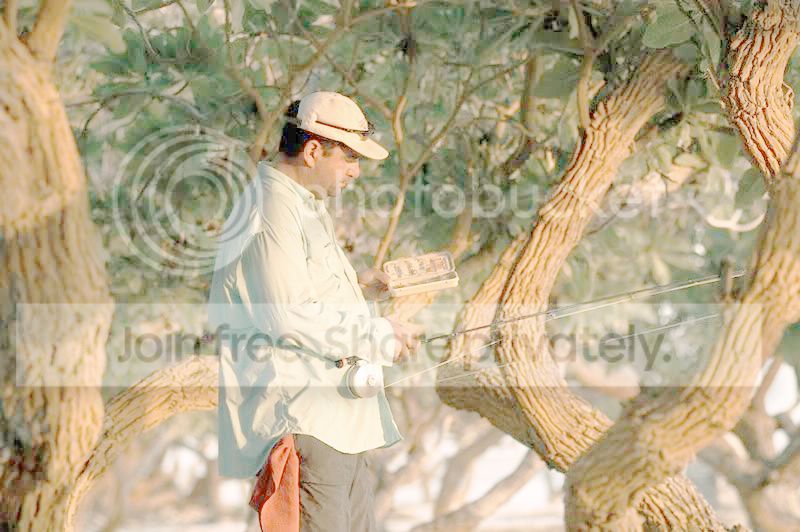
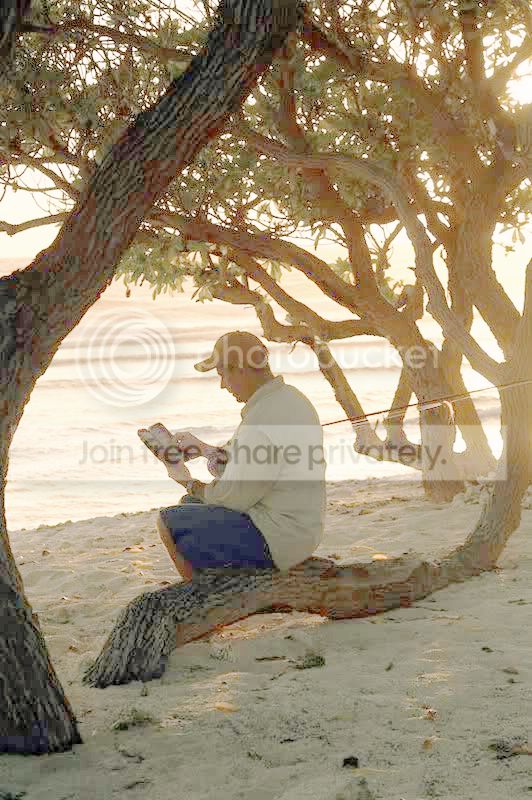
And I love these moving water shots – always hard to catch without the fish moving too.
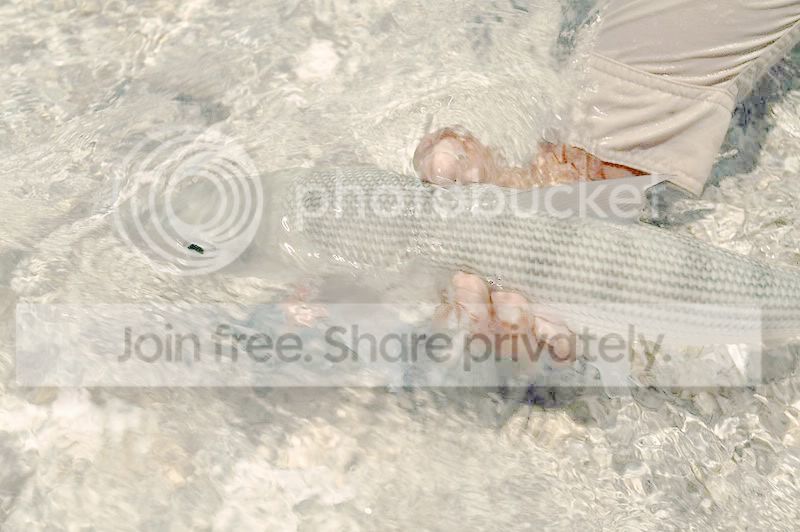 Member
Thanks Guys, Re the fish holding still, I do this with a lot of fish, trout in particular are great for it. I always keep the hook in them and just hold them in the water until ready to take pics. Once you start squeezing them they’ll fight back. Its a bit of a “fish whisperer” thing. It also means they have plenty of time to recover – I can spend 10 minutes with a fish and not have it thrash around once its first landed – I don’t use nets, just a gently hand scoop under the belly right on the mid point and if it won’t balance or thrashes a little I’ll just drop it back in the water and try again. I’ll always remember a moment whern a great friend of mine landed a beautiful trout in the Snowy Mountains and he wanted that fish so badly he squeezed it and held it hard against his chest – it popped out and popped the tippet and swam off – probably didn’t survive either. Notice that boney has its nose up against a rock – it’ll just gently swim against it. I’ll show you some pictures of trout in the water that I think would have lain there for as long as I wanted them to. Dave Anderson and I will do a joint Tongariro spread in the next few days.
In the meantime here’s some more of Christmas island.
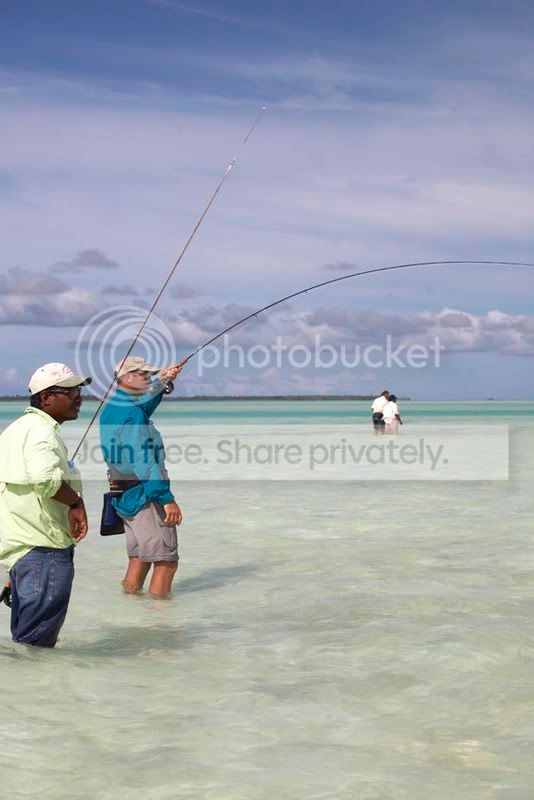
This is one of my favourite pics from over there. This is at the Korean Wreck end of the island. The tide is still high so there’s considerable wash coming over the reef. The bones will swim up the beach with a surging wave – right up the sandy slope but its steep and you have the briefest window to geta fly in front of them before they wash back down with the wave – about 5 seconds and it has to be right on a fast moving target thats travelling up and down the beach. I think its the toughest fly fishing presentation I’ve EVER come across. The concentration required is evident in the body language of the guide and client. It was a day with a high sheen of cloud – very difficult polaroiding conditions, but great for fish photography.

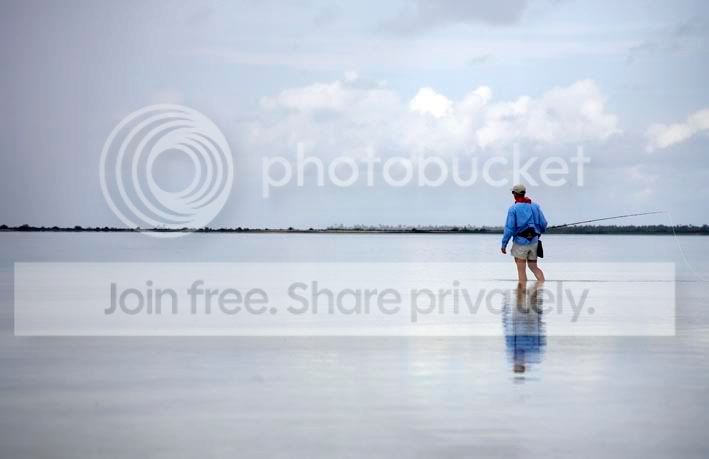
You do get glassy calm days there and the angler here Rod van Beek is looking for tails.
Guide Teata lands a better than average bone for Peter Walker.
On the incoming tide the bones will push right up into the skinny stuff, in places just ankle deep water, and that’s the fishing I like best.
Rod van Beek waits on a flat.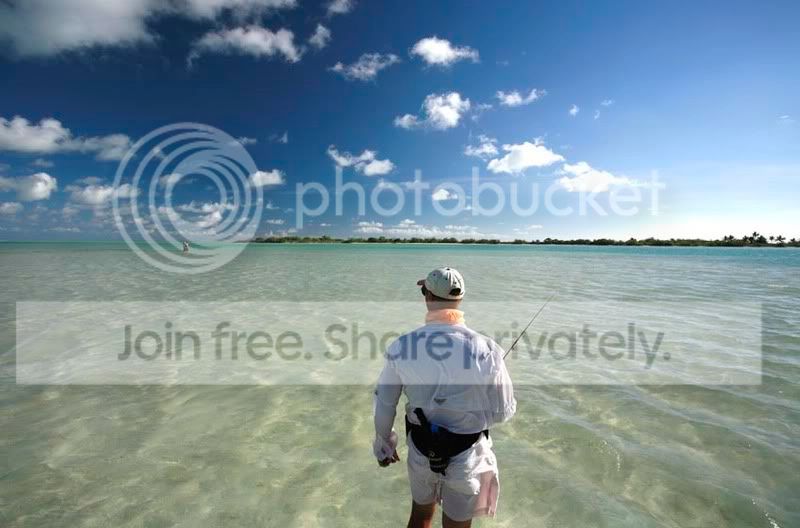
This was taken minutes later and has been used as a book cover shot.
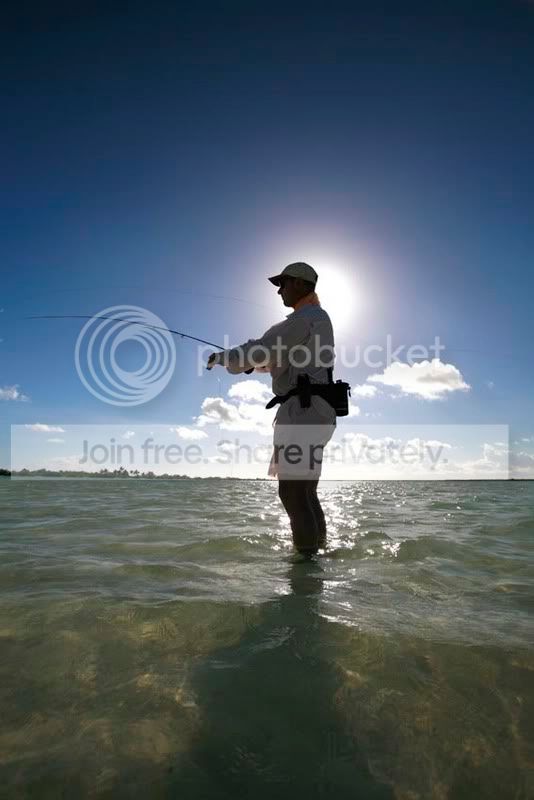
Last day of the last trip I did – Rod van Beek about as casual as you can get on a boney – by now this was probably fish 300 for the trip for him.
 Member
Pleasure John, I’m also very interested in anyone else’s tips for handling and posing insects. I capture and refrigerate them whenever I can then as they warm up and come back to life you get a good minute, then back in the fridge. I’ve always wanted to photograph a scorpion, such wild and wonderful looking creatures. About a month or so ago I was in the desert in Western Australia and a friend brought me a scorpion. It was night so I put it in the fridge for the morning but the thing died, I guess the fridge was too cold.
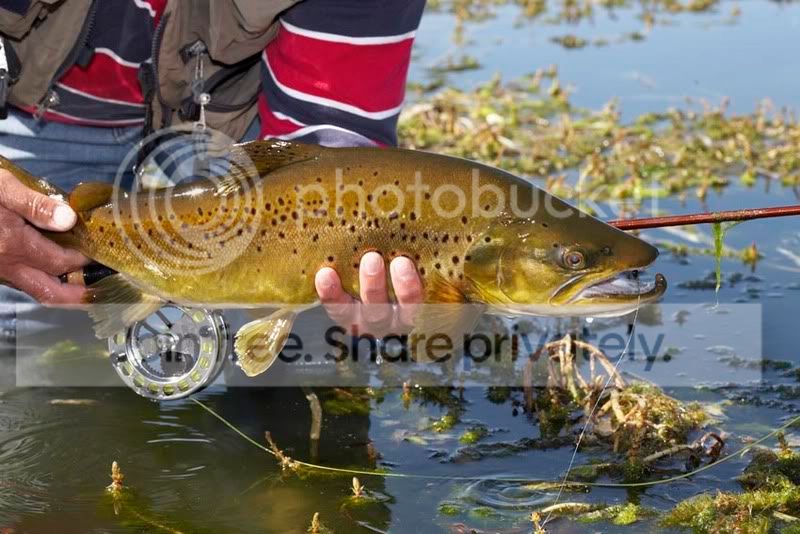
This is what I meand by arched back and head to the camera. You have to direct you “wrangler”, I’m always giving instructions – “higher lower, roll its back over to me” – that’s the commonest one, trying to avoid the shot of a fish’s belly.
Morsie
 Member
Macros are great John – pin sharp. The mayfly’s a little knocked around, always a problem when trying to get them to hold still for long enough. One trick I have is to wet your fingers with a little saliva and then stick their wings together, that’ll stop them for a minute or so and won’t damage their legs.
Personally, for “man holding fish shots” I really like to see a curve in the back of the fish so its arched, and always aim to get the head a little more towards the camera. A good “fish wrangler” is worth their weight in flies. I fish with a few guys I’ve trained really well!!! This is only a personal preference. The colours are great.
Morsie
MemberThe New Zealanders are very jealous of our sheep, they even have their own sheep dating web site, I’ll track it down for you – Simon you go there all the time, what is it again??
Filming during the mouse hatch.

Everything likes to eat mice.

-
AuthorPosts