






Cheapest way to shoot BW and get it converted?
Blog › Forums › Photography › Cheapest way to shoot BW and get it converted?
- This topic has 35 replies, 10 voices, and was last updated Sep 16, 2008 at 11:37 pm by
anonymous.
-
AuthorPosts
-
Sep 12, 2008 at 6:12 am #64765
 David AndersonMember
There’s a ‘Lomo’ shop is Sydney, and it’s very popular..
I know a guy who did an entire portfolio to show around ad agencies on one – and he got work !
They are sort of interesting I suppose.. 😮
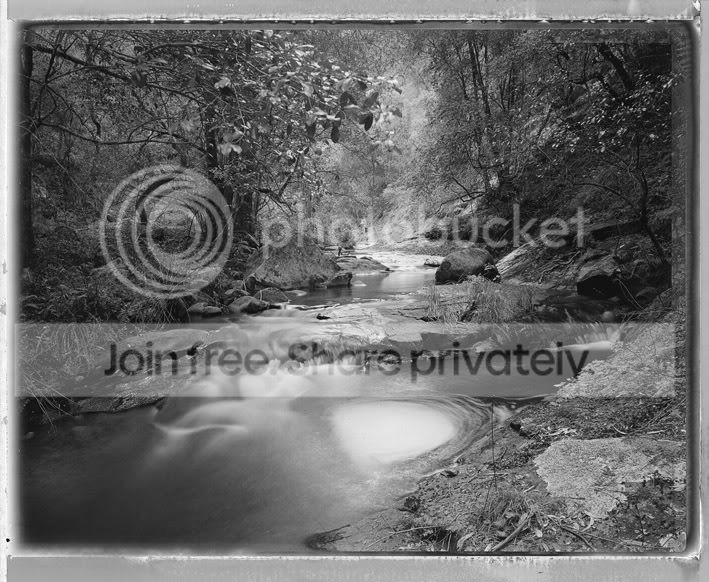
My favorite crappy (to a point) camera is the Polaroid 600SE that was made by Mamiya, I have 3 of them and even though you cant get much in the way of film for them I hate to let them go.
It was a cheap version of the ‘Press’ camera.
I’ve shot a lot of Polaroid 665 Pos/neg through them because I love the messy borders from the edge of the neg.The lenses are a little bit soft, but the film surface is almost 5×4′ so they give really smooth detailed shots with lovely gradations.
Here’s a sample.
www.dsaphoto.com
A picture is thousand words that takes less than a second while a thousand words is a picture that takes a month.
Sep 12, 2008 at 7:30 am #64766 Ben CochranMember
WOW!!!!!!!!! That is by far my favorite photograph ever posted on this board!!! I love everything about that photograph, well done!!!!
Sep 12, 2008 at 2:35 pm #64767anonymous
MemberGorgeous image David !!!!
I’m curious what others think on this thought. I worked exclusively with med format and large format
Sep 12, 2008 at 2:48 pm #64768Zach Matthews
The Itinerant AnglerI would agree with that 100% Will, but also add that digital does such a poor job of rendering highlights that people have become tone deaf to what good black and white should look like.
Sep 12, 2008 at 4:18 pm #64769jon olender
MemberFilm borders can be left in any size image, but the image has to be full frame to get the effect.
Sep 12, 2008 at 10:55 pm #64770David AndersonMemberbut also add that digital does such a poor job of rendering highlights that people have become tone deaf to what good black and white should look like
Zach
Not sure I would agree with that, highlights were a big problem with early digital cameras and might still be a problem with poor processing of current models, but I’m very happy with what I’m getting.
The DsIII (as an example) renders beautiful tonal range that’s far better IMHO than slides ever were, but like slide film, you have to get things right to get the best results.That means saying no to Jpegs, auto white balance and blanket contrast settings and learning everything you can about proper exposure in shooting and post processing.
That’s what the old school heros like Ansel Adams and Weston did, they were in control of the image from start to finish and took no short cuts.
www.dsaphoto.com
A picture is thousand words that takes less than a second while a thousand words is a picture that takes a month.
Sep 12, 2008 at 11:21 pm #64771David AndersonMemberSorry, I should have added that I’m not pointing fingers or trying to run anyone down, I’m learning all this stuff myself and know it’s not as simple to do as it is to type out..
😉www.dsaphoto.com
A picture is thousand words that takes less than a second while a thousand words is a picture that takes a month.
Sep 13, 2008 at 7:02 am #64772Ben CochranMemberThis is the limit to my PS3 conversion abilities. I hate all of the B&W conversion tutorials, that I have seen, as they all still seem to miss that feeling of film. I agree about setting the camera for shooting B&W, as it is different and needs to be planned out, but I will not use the B&W camera settings. I can only speak for my experience with the Nikon DSLR body’s on this, the darks just seem to still be to rich and pristine, kind of a sterile feel.
I know that I went way overboard on this image but I am actually trying to come up with a B&W work flow that I can use on a self funded project that I have been working on, in the FSO countries. I also want to age the photograph’s. Still, I just don’t feel that digital has that wonderful feel of the old polaroid or film camera’s, especially the older bad ones, love the look and feel of those :).
 Sep 13, 2008 at 7:54 am #64773David AndersonMember
That’s great Ben, looks like a print on one of the old warm tone papers..
I love the border as well, really fits the old world feel..
www.dsaphoto.com
A picture is thousand words that takes less than a second while a thousand words is a picture that takes a month.
Sep 13, 2008 at 6:06 pm #64774yuhina
MemberNot sure I would agree with that, highlights were a big problem with early digital cameras and might still be a problem with poor processing of current models, but I’m very happy with what I’m getting.
The DsIII (as an example) renders beautiful tonal range that’s far better IMHO than slides ever were, but like slide film, you have to get things right to get the best results.That means saying no to Jpegs, auto white balance and blanket contrast settings and learning everything you can about proper exposure in shooting and post processing.
That’s what the old school heros like Ansel Adams and Weston did, they were in control of the image from start to finish and took no short cuts.[/quote]
I agree with you David! I know you are explaining based on your experience!I feel the new digital system have improved the tonal richness a lot… I think not only commericial photographers but also the fine art guys start to appreciate this improvement.
In general (conventional opinions), medium (large) format cameras are better than SLR in capturing the tonal richness. Canon lens are softer (less sharp) than Nikon lens; and Zeiss lens are softer than Leica lens.
Using “soft” or “sharp” lens are personal preference. In general, sharp lens are good in micro and wide-angle shooting… (this make Nikon (Leica) users proud…) however, soft lens will have more richness …and easy to manipulate when they get into the digital format (portrait and wildlife people love Canons and Contax). (This is just conventional knowledge and my opinion… there are still lot’s of exceptions within different brands)
Sep 13, 2008 at 6:16 pm #64775david king
MemberNice shot Ben! Have any of you tried the Gorman Holbert conversion method for PS. I’ve used it and I like it. Check it out here http://www.blackandwhitedigital.com/Convert/coloraltering/gorman.html
The last thing I did in Black and White was a quick snapshot of a friend with his new Leica M8, 1/15 @ F2 handheld. Man what a camera! I did the conversion and all the dodging burning etc in Aperture. Aperture has a excellent BXW intergration in its workflow.
As far as tonal control and seperation in tradional BXW you exposed for the shadows and developed for the highlights which is what the Zone System is all about. With chromes or digital you would worry about not overexposing you high values. With chromes you would be screwed if you were over exposed but with digital raw files some recovery is possible. Editing in 16 bit will help as well since you have more tonal range to adjust.
Greg Gorman does digital Black and White really well and his site has a lot of good examples. greggorman.com The famous Albert Watson still shoots BXW white film he says he can’t get what he wants out of digital yet but I bet Epson and Canon or Nikon are trying to sign him to a endorsement deal to be a explorer of light or something. Check out Albert at albertwatson.net and on YouTube.
The classic look of BXW film and paper may be impossible to replicate digitally. You can get really close but its not the same. When you take into consideration the films, developers, papers and toners employed by the masters its something very unique.
Sep 13, 2008 at 7:29 pm #64776Memberhttp://en.wikipedia.org/wiki/Zone_system#Exposure_zones
attached some information about zone system in wiki.
The two main steps to reach tonal richness in zone system are,
1) pre-determine the zone V and the density range of the photo before exposure. This is important becasue by place the right subject in the zone V meter will give you a good cover of the detail texture and also the intensional shifting of the “right exporsure” will influence the post development. see the web info,
2) film development adjustment. – expansion and contraction-.
Sep 14, 2008 at 6:56 pm #64777s. l. giuliani
MemberCheck this thread out on Planet Nikon Zack http://www.planetnikon.com/forums/index.php?showtopic=9274
He states the BW Film and where he scans them……….
Sep 16, 2008 at 6:51 am #64778 Chad SimcoxMember
I’d stay away from the C41 process B&W film. What makes BW so great is the silver grains in the film. The C41 stuff is dye based like print film. You usually get an unwanted color cast in the prints.
I haven’t shot BW film in a few years. Ok that’s a lie, I have some Illford film in my 120 Holga right now. When I was shooting film, I found that I liked Illford’s products the best. HP5 and FP4 were my main two films of choice, but Delta 3200 is my favorite by far. I love contrasty and grainy B&W shots and the Delta 3200 delivered on both fronts. ID-11 was my developer of choice. It seemed to help create nice tones and kept the grain pretty smooth.
I really miss the experience and even the smells of the darkroom.
As far as developing and scanning, I’d check with any of the pro labs near by. I’d assume Atlanta has a few. But be warned, it’s probably not going to be cheap. If you’re shooting a lot, I’d look into doing it yourself.http://society6.com/grainfarmer Fly Fishing and Landscape open edition Photography prints.
http://grainfarmer.vsco.co/ iPhone photos
http://instagram.com/chad_simcox InstagramSep 16, 2008 at 11:19 pm #64779MemberYea that chromogenic stuff is pasty but very fine grained, not much character though!
Sep 16, 2008 at 11:37 pm #64780MemberI find it a little odd that folks would get hung up on trying to duplicate
-
AuthorPosts
- You must be logged in to reply to this topic.