






Critique on 2 photos
Blog › Forums › Photography › Critique on 2 photos
- This topic has 6 replies, 6 voices, and was last updated Nov 18, 2009 at 4:55 pm by
Henry Gilbey.
-
AuthorPosts
-
Nov 12, 2009 at 2:58 pm #8217
Anonymous
InactiveHere are two photos from a few days ago. I have had my DSLR for over 2 years now and simply am not progressing at all. Done my fair share of reading. I think I simply dont take enough pictures. I know folks take more pictures in a month than I do in a year. I am overwhelmed by editing and organization. Close to just giving up on RAW.
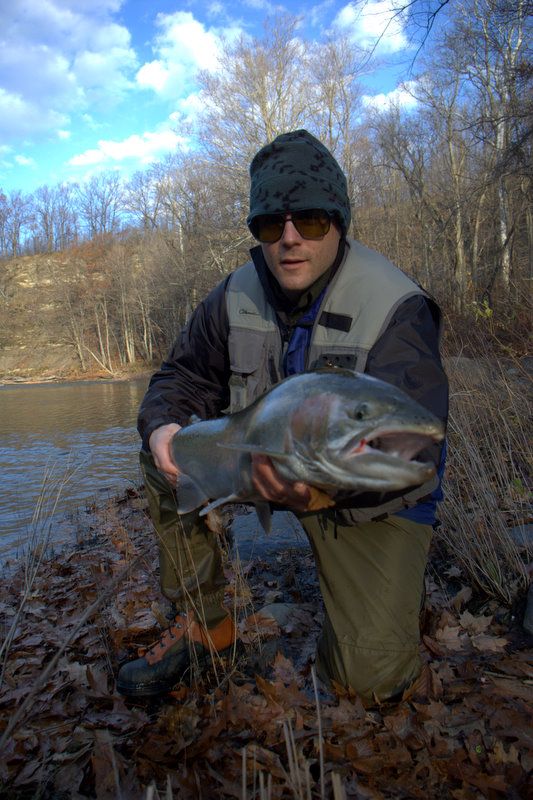
ANYWAY…this first picture. What the heck is going in with the sky? Did my circular polarizer do this? Not even sure where to start with this one.
This next photo is pretty crappy all around. Blacks and whites dont show very much contrast. Upper left is pretty blown out and upper right has some kind of smudge on it? (more than likely a water drop) Any thoughts or tips appreciated. Are black and whites best shot away from the sun? I know overcast days are what you want and this was pretty full sun.
Nov 12, 2009 at 5:32 pm #69393 John BennettMember
Tim in answer to the sky in #1.
The different tones of blue in the sky from left to right is often a result of a CP and it’s orientation relative to the sun. Theres no alot you can do about that, other than be aware of it as your aligning your CP.The black and white.
W/O being there as its being shot, it’s hard to say what to suggest. The sun appears low so either mid morn or later in the aftnoon? At those times you should be towards the end of the best light (morning) or nearing it, if the suns setting. My question would be, why shoot B/W when the lights nice unless you have a compelling reason.With regards to avoiding blowing the sky in that image. From the looks of it, not much you can do there either, not if you want to bring out detail in the shadows. This is where you might want to shoot an HDR or use NDs.
Nov 12, 2009 at 5:33 pm #69394 Ben CochranMember
Nice shots Tim. In short, yes, the polarizer did do that but it was only one component. We also have to take into consideration that the clouds were also completely blown out. I am not sure what type of post processing you did but the white clouds have no data at all, this means that we cannot white balance off of them. If you look at the white bark, you can see that they have a pleasant warm luminance but the white on the steelheads mouth is cold. This tells you that you had conflicting Kelvin, from the sunlight to the shade. It also tells us that there was a color shift caused by the polarizer and that the polarizer was not consistant. Personally, I would WB on the fish and once you do that, you will see that the sky color doesn’t look so odd, the clouds will still be blown but for web use, the image still tells the story that you want and portrays a good composition.
If you want to get more technical and go further with it. I would probably shoot the same composition with a much longer lens. The reason for this is: With the same frame as you have, a longer lens would provide better compression on your subject (more life like) while the background would have more diffraction along with the already preplanned DOF. This would actually raise the mountain higher and limit the amount of clouds that would be in frame. They are going to be blown, no matter what, unless you get more light onto your subject. Of course, you could change your field of view and background but, that doesn’t help with offering suggestions on this one shot. Any sharpening will just make the clouds look worse as well.
The last suggestion is a much better filter but I think that you would still have some problems. I know that someone will probably suggest the D lighting but it will desaturate all of your contrast and make it appear flatter, would work on this shot though.
On your second shot: The variance for light to dark is so much that one is going to loose detail. You metered the sun so, the darks are now darker and the thinner rays fell inot this gap as well. I can see some faint additional rays but they fall into a shade area where the shadows are the background. They were metered out as you would have to shoot just a tad more wide open to get them back in.
Nice compositions though :)[ch9786].
Nov 12, 2009 at 7:20 pm #69395Morsie
MemberRe pic 1 always focus on the fish’s eye……..
Morsie
Nov 15, 2009 at 8:34 am #69396Henry Gilbey
MemberTim – pic 1 is a tough one from the start. (Awesome) fish and angler in the shade with a well lit background, very tough for any kind of camera to balance the huge range in contrast. OK, so multiple filters/and or a degree of fill flash might help, but I am presuming the welfare of the fish is very important……
Use the areas in shade to your advantage to get a balanced exposure – look around for a spot where you can place man and fish without any sky in the photo. Place them against the trees or cliff, don’t let the bright sky come into it and then blow the exposure in the background, up the ISO a bit and use a larger aperture to compensate for less light in the shade. Focus needs to be pin sharp on the fish’s eye. In my mind I call this “taking the sky out of the equation” – use trees, mountains, cliffs etc. Very useful for grey, low contrast days as well.
Or, move the angler and fish to a spot where they are in the same light as the background – even lighting all over makes for an easy exposure. Fill flash can be useful, as is a circular polarising filter for big blue sky days. Hope this is of some use.
Nov 17, 2009 at 6:09 am #69397 David AndersonMember
I agree with what Henry has said, but would add that a longer lens (though not fashionable for fish shots) can get you a good shot in that sort of light because it isolates the subject from the hard to balance background.
I’m thinking around 135 – 200 mm (FF)
www.dsaphoto.com
A picture is thousand words that takes less than a second while a thousand words is a picture that takes a month.
Nov 18, 2009 at 4:55 pm #69398MemberDavid is entirely right, I should have said that – grey, flat days when there is some kind of backdrop that allows me to keep the sky out often see me shooting primarily with some variety of 70-200mm lens.
-
AuthorPosts
- You must be logged in to reply to this topic.