






Need Some Help
- This topic has 6 replies, 4 voices, and was last updated Aug 19, 2008 at 9:08 pm by
Andrew Wright.
-
AuthorPosts
-
Aug 19, 2008 at 12:16 am #6437
Andrew Wright
MemberHey guys, I need a little brainstorming help. I fish a couple of streams where really small dry flies are the only patterns that seem to consistently produce. The problem is that the water in these streams is anything but calm, and I have yet to find a pattern that I dont have to constantly work on to keep floating. Does anybody have a pattern that floats REALLY well that could be tied small, or any suggestions of materials I could use that would help in creating such a pattern?
Aug 19, 2008 at 1:03 am #56284 Mark SchaferMember
Nothing like a good challenge,what patterns and sizes are you using now.
MSAug 19, 2008 at 1:45 am #56285anonymous
MemberIf you like tying ” off the beaten path”
Aug 19, 2008 at 1:47 am #56286Neal Osborn
MemberAndrew,
Since we live in the same town I can guess that we are fishing similar waters. Your question will of course have lots of answers depending on each persons confidence patterns and skill level. However, you specifically asked about “small” “dry fly” “floatabilty” and that hones in pretty specifically. Here are some thoughts . . .
A little trick I learned at one of the conclaves. Use a foam post for your parachute patterns. It is very visible and floats well. I use these guys on “medium” fast riffles.
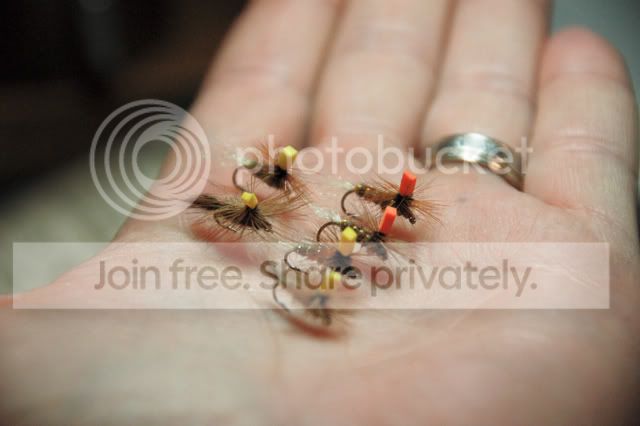
The Trude style dry fly was originally designed for Western rapids and by tying your wing back in this style you gain significant floatability. The trudes hold up very very well in “moderate” fast rapids. You can tie them small as shown here (size 16-18). This is the Jack Cabe hopper, one of my favorites. Problem is they are a real bitch to tie and require a bit of advanced technique to keep the thread/hackle from slipping and crowding the eye. I drink at least two scotches before going at it. A great trick is to jam a bunch of CDC under the wing so it floats even better.
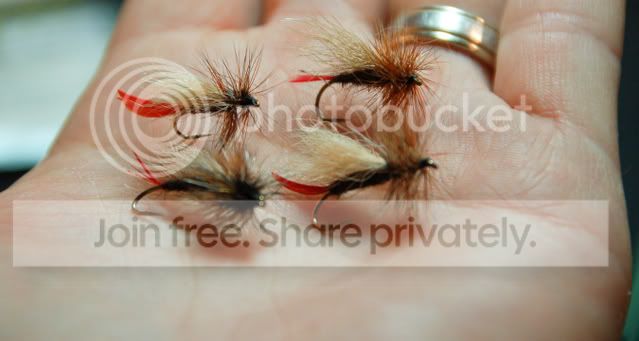
Here is a quote from a link on the history of the Trude fly, “. . . foot-fur is nearly as visible as white calf tail, but has the advantage of providing additional buoyancy. The structure of the hair makes it float like a cork without adding floatant.”
http://www.fishingwithflies.com/Hare-wingRoyalTrude.htm
You can always tie on a foam popper as the point fly (indicator) and drop a dry fly or emerger about 12″ back. Sometimes you get lucky and they take the foam indicator fly.
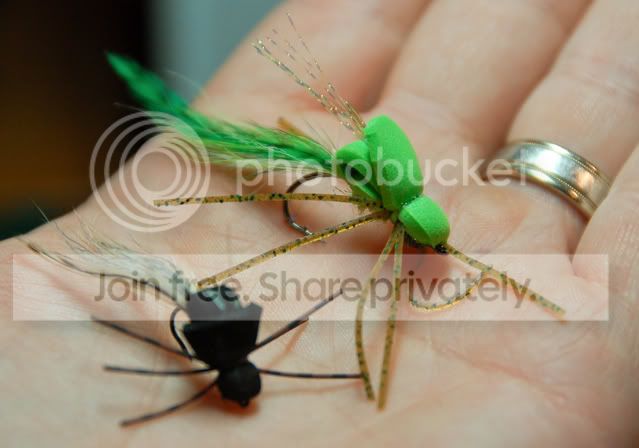
Nothing wrong with stimulators (they are really just a variant of the Trude style with the wing placed toward the back, common theme for high floatability). These are size 18 and float great.
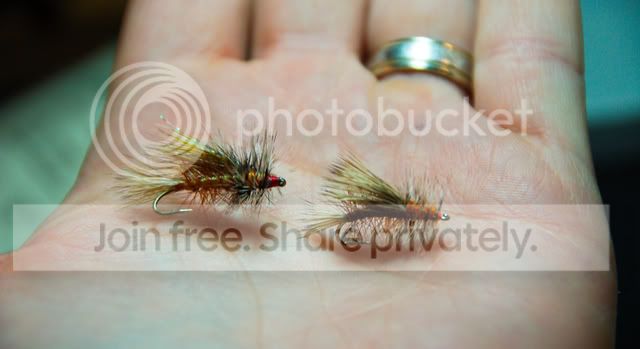
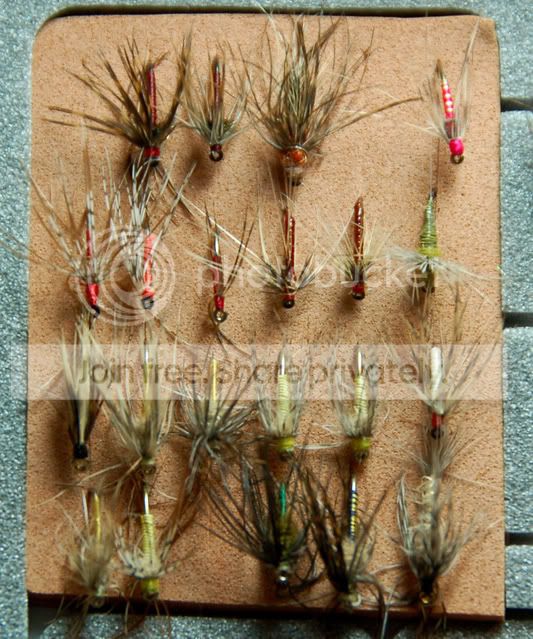
On a side note, I have recently been fishing wet flies on the swing much more frequently in riffles/rapids. Once I learned the technique of the swing and got good at tying wet flies my hook up rate went up dramatically. Wet flies can be tied very small like these size 17’s (English wide gap hook) which are more like a traditional size 20. I call these Mini-Kevin-Powell’s, hahaha.
Let’s go fishing and find out what works. Maybe you can show me some of these spots you fish 😉
Aug 19, 2008 at 1:48 am #56287MemberWill, thanks for the pattern! Looks great. Do have a link to any information on this fly? Did you take that picture?
Aug 19, 2008 at 1:54 am #56288MemberHeres a link to a page of
Aug 19, 2008 at 9:08 pm #56289MemberThanks for the help guys. Looks like I have some promising options here. I will give them a run.
-
AuthorPosts
- You must be logged in to reply to this topic.