






Fly Lines Modified In Print: catalogue, magazine etc.
Blog › Forums › Fly Fishing › Fly Lines Modified In Print: catalogue, magazine etc.
- This topic has 15 replies, 9 voices, and was last updated Mar 12, 2009 at 2:03 am by
Brian Moffitt.
-
AuthorPosts
-
Mar 6, 2009 at 4:54 pm #3906
Rob Snowhite
MemberDo companies modify/draw over/enhance fly lines in print?
I’ve always noticed that the line in some adds appears too perfect looking: color, uniform width, perfectly straight, etc etc
I look at a lot of catalogues and magazines and have done so for numerous years. I do so with a scrutinizing eye.
I have looked closely at photos with fly lines and I swear you can see two lines, one that appears altered, brighter, straighter etc (i.e. done in photoshop) over the existing line which is less visible as it is not bright, wide enough, and contrasting to the background. .
I figure this would be a good place to have a discussion, including input from Zach’s experience as being published.
For a random google search, I’ve come up with some of these images (not to call out a company, just that these were the closest images that i could find to express my question)


my own photos:
line is clearly shown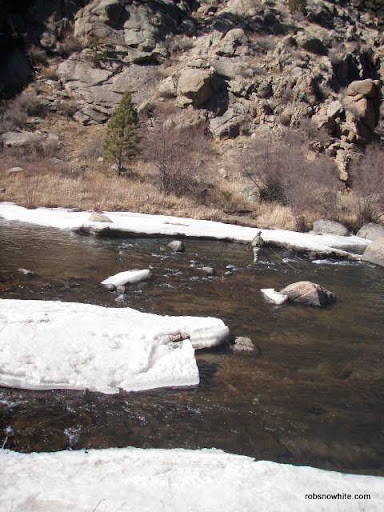

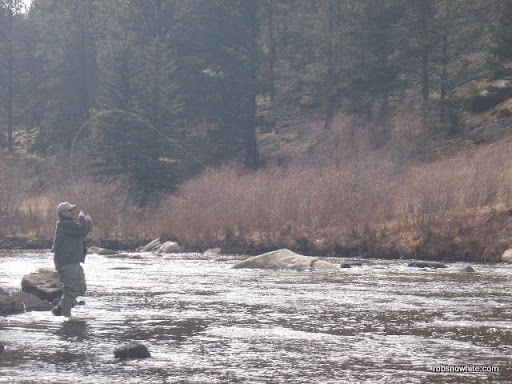 Mar 7, 2009 at 12:40 am #34117
Zach Matthews
The Itinerant AnglerThere are tricks to showing a fly line that mostly don’t involve photoshop.
Mar 7, 2009 at 1:58 am #34118cole m.
MemberInteresting, great topic!
Mar 7, 2009 at 6:02 am #34119 David AndersonMember
I agree with Zach, it’s a real pain to wrk on something like a line in photoshop and way more work then you might think.
I never do anything to mine in post.Some lines, like the dark olive ones are always hard to get a good frame of, but the brighter ones work ok if you have the right background.
www.dsaphoto.com
A picture is thousand words that takes less than a second while a thousand words is a picture that takes a month.
Mar 7, 2009 at 6:08 am #34120David AndersonMember
www.dsaphoto.com
A picture is thousand words that takes less than a second while a thousand words is a picture that takes a month.
Mar 7, 2009 at 6:53 am #34121Morsie
MemberThe real trick to shooting fly lines was taught to me some years ago by a guy who should know a bit about it – Lefty.
Apart from location, which is absolutely crucial, and a bright line, set your shutter speed at 250th. This fast enough to just freeze the line but slow enough to give it some blur to “fatten” the line a little. Then of course you will need to adjust your exposure compensation to take into account the dark background.
This was a shot taken to illustrate “overhang” when using shooting heads – it was published with a Dan Blanton story on the subject. Caster is Sydney guide Justin Duggan.

Its all about recognising an opportunity to get the shot, you can’t just get them anywhere.

This is an old shot taken on slide film and scanned. The line is a Rio Clouser, it has a good thick head. Picture was taken by my son.
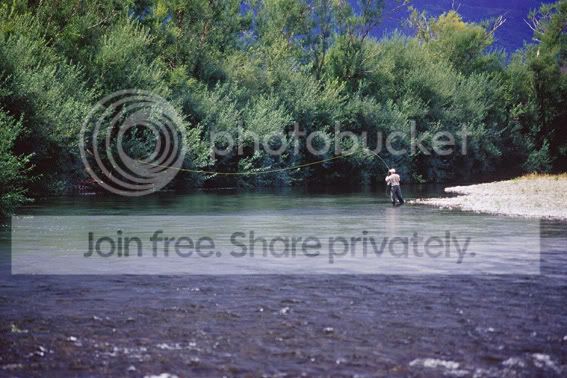
I would rate this as one of the great lost opportunities of my life – the light lasted less than a minute (film camera days – again shot on slide) and rather than throw a couple of good casts with clean loops the guy went into a casting frenzy and tore his normally good loops open. It pays to have a really good caster in front of the lens, crappy loops remain crappy loops unless you want to spend days in front of a computer fixing them.

Morsie
Mar 7, 2009 at 12:34 pm #34122 John BennettMember
Agree with the above, the key to lines is your back ground, follwed by light. The same can be said for numerous subjects actually. What makes 1 photo stand out from the next. More often than not its the back ground.
My own modest and largely unsuccessfuly attempts for the shots I have in my mind all have one thing in common when the line is “visible”
Dark back grounds: Which really when you get down to the brass tacks is
Contrast.
Use a midnight black line against a light blue sky and Im sure it will show.
***************
Here you can clearly see how critical your selection of back ground is.
Against the water the line “pops”, against the far shore its completely lost
 Mar 7, 2009 at 1:31 pm #34123
keith b
MemberCool thread. I am no expert but have a nice shot of a striper on my line in the Hooch and I tried to doctor it a bit so the line would show up better. It was very difficult!
Mar 11, 2009 at 9:15 am #34124MemberSome more unmodified casting shots, just choosing the right light and bg. Finally worked out how to watermark too ffs. Not much fun being an older digital geek.


Morsie
Mar 11, 2009 at 11:19 am #34125 Steve K.Member
To expound on Morsie’s comment about slowing shutter speed to fatten the line….I stumbled upon this concept while fishing the Smokies with my son last Fall. I pulled out the P&S and grabbed a quick photo. Shutter speed was 1/60th and illustrates the line “fattening” concept. Purely accidental but I’m kinda digging it……and plan to experiment some more with the DSLR.
 Mar 11, 2009 at 12:02 pm #34126The Itinerant Angler
Hey guys –
Line fattening is a good idea in theory but you need the angler to remain very still or he will blur correspondingly.
Mar 11, 2009 at 3:27 pm #34127Brian Moffitt
MemberZach,
What kind of cast is the second to last picture of?
Mar 11, 2009 at 5:21 pm #34128The Itinerant AnglerSnake roll.
Mar 11, 2009 at 5:43 pm #34129MemberThanks!
Mar 11, 2009 at 6:05 pm #34130The Itinerant AnglerIt’s Simon Gawesworth’s invention; a spey cast, but obviously useful for one-handed situations too. I use it *all the time* when nymphing.
[media]http://www.youtube.com/watch?v=_8_wZb_fVwM[/media]
Zach
Mar 12, 2009 at 2:03 am #34131MemberThanks for the video Zach! Found another which shows it quite well.
http://www.youtube.com/watch?v=BV8g57Fqfbk
Certainly one I’m going to try and learn.
Brian
-
AuthorPosts
- You must be logged in to reply to this topic.